
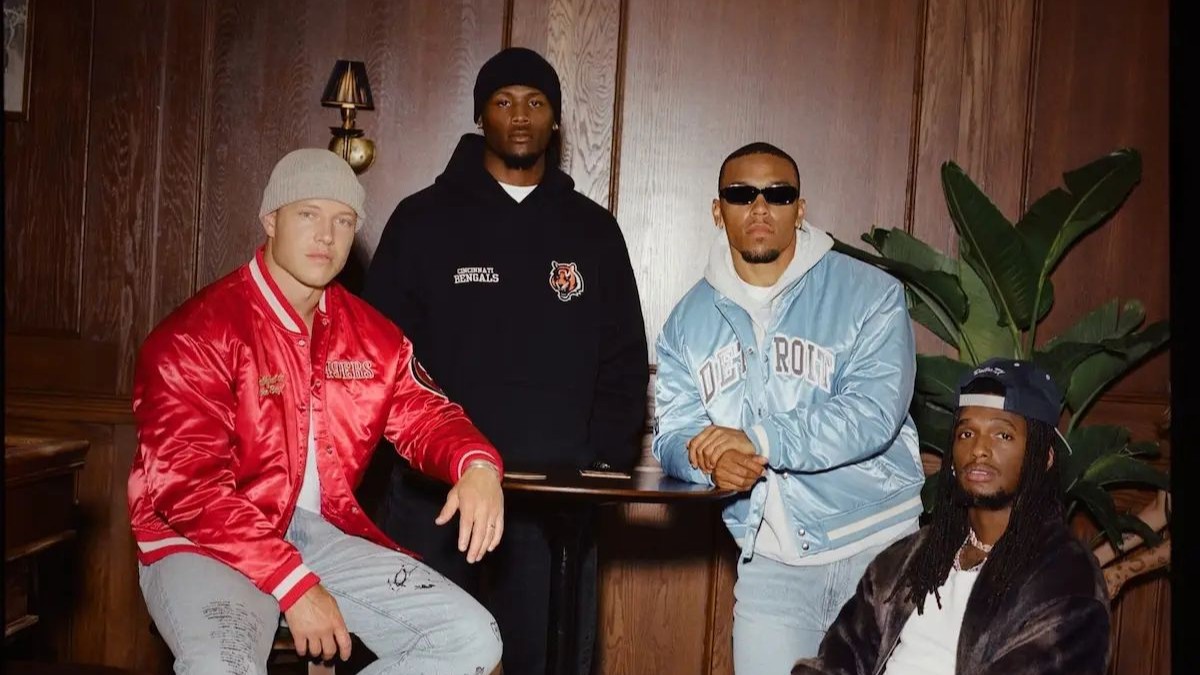
In today’s apparel landscape, collaborations are more than marketing moments. They are strategic tools that can unlock new audiences, reinforce brand DNA, and create genuine cultural relevance when done with intention. When executed well, collaborations become case studies in alignment and creativity. When they miss the mark, they risk confusing consumers or diluting long-built equity. Looking across luxury, mass, streetwear, and digital culture, recent collaborations reveal why some partnerships resonate—and why others fall flat.
When Collaborations Work: Alignment, Accessibility, and Product Integrity
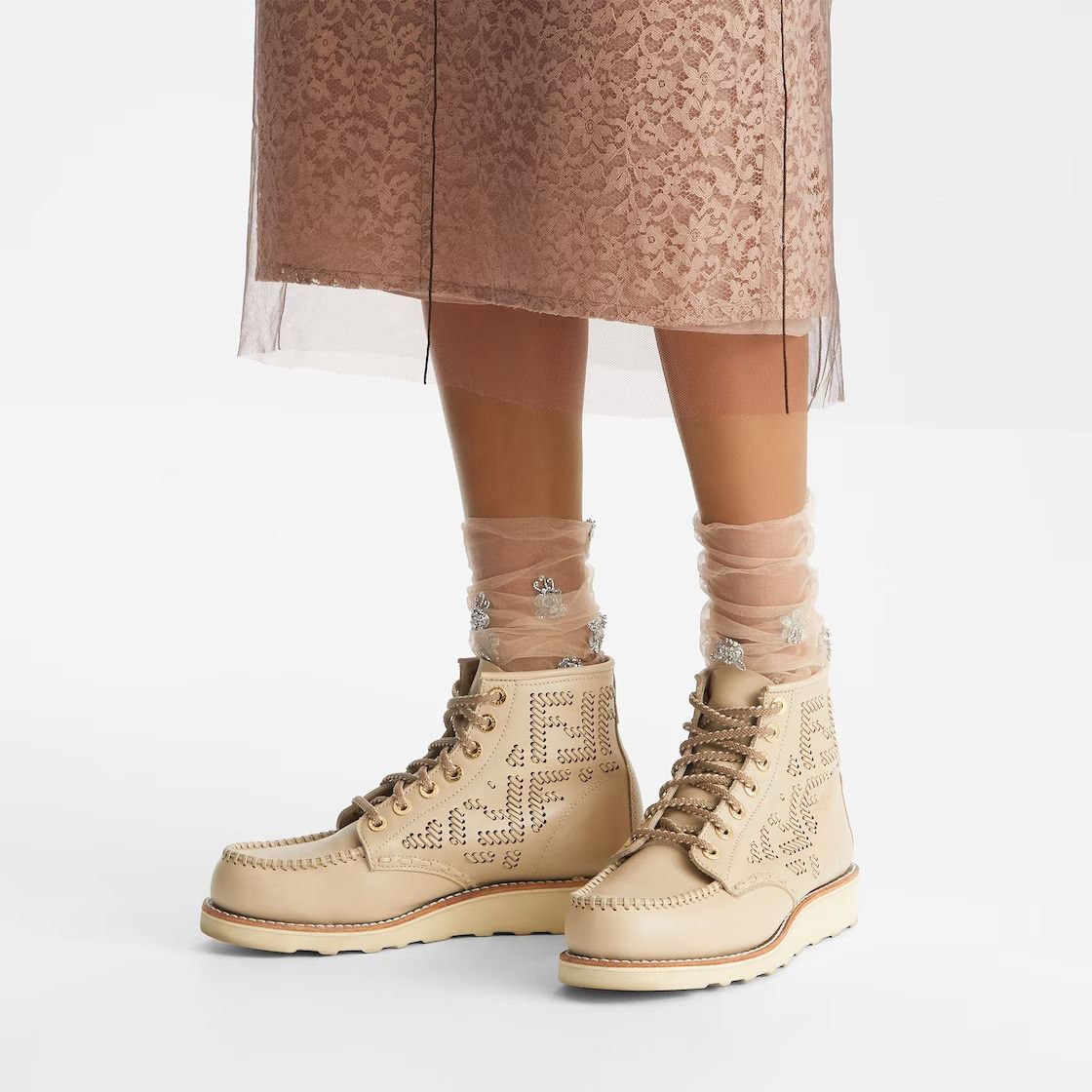
Red Wing x Fend
The strongest collaborations are rooted in a clear understanding of what each partner brings to the table.
Fendi x Red Wing is a standout example of how heritage brands can meet without compromising identity. Red Wing’s reputation for craftsmanship and durability paired seamlessly with Fendi’s luxury lens, resulting in a product that felt elevated yet authentic. The collaboration respected Red Wing’s workwear DNA while introducing refined materials and finishes that made sense for a luxury audience. Nothing felt forced, and the limited nature of the release reinforced its credibility.
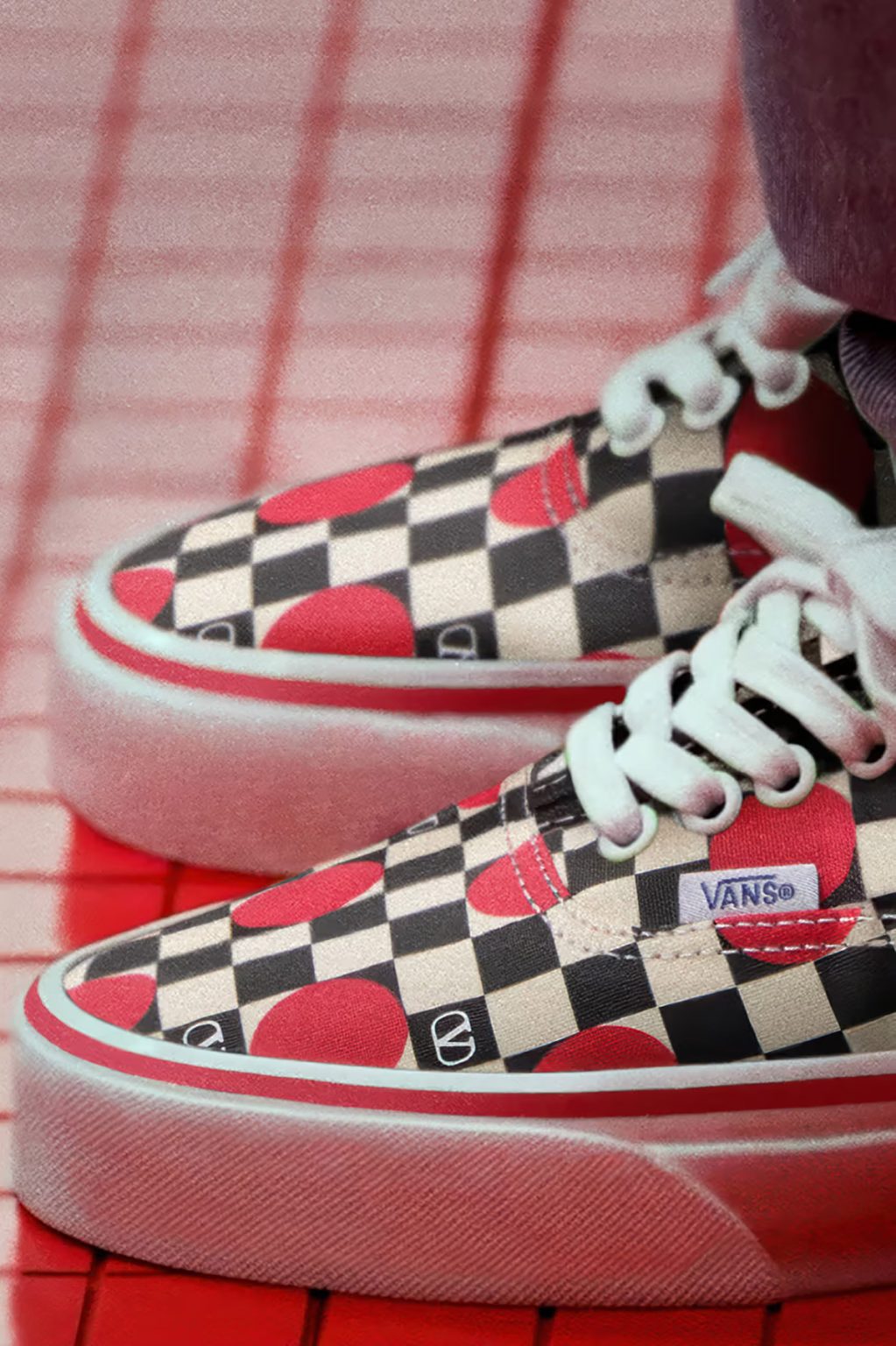
Valentino x Vans
Valentino x Vans took a similar approach by letting the product speak for itself. Rather than overdesigning, Valentino leaned into Vans’ most recognizable silhouettes and cultural relevance. The collaboration worked because it didn’t try to turn Vans into something it isn’t. Instead, it invited luxury into the conversation through subtle branding and thoughtful execution, allowing both brands to coexist without diluting their core audiences.
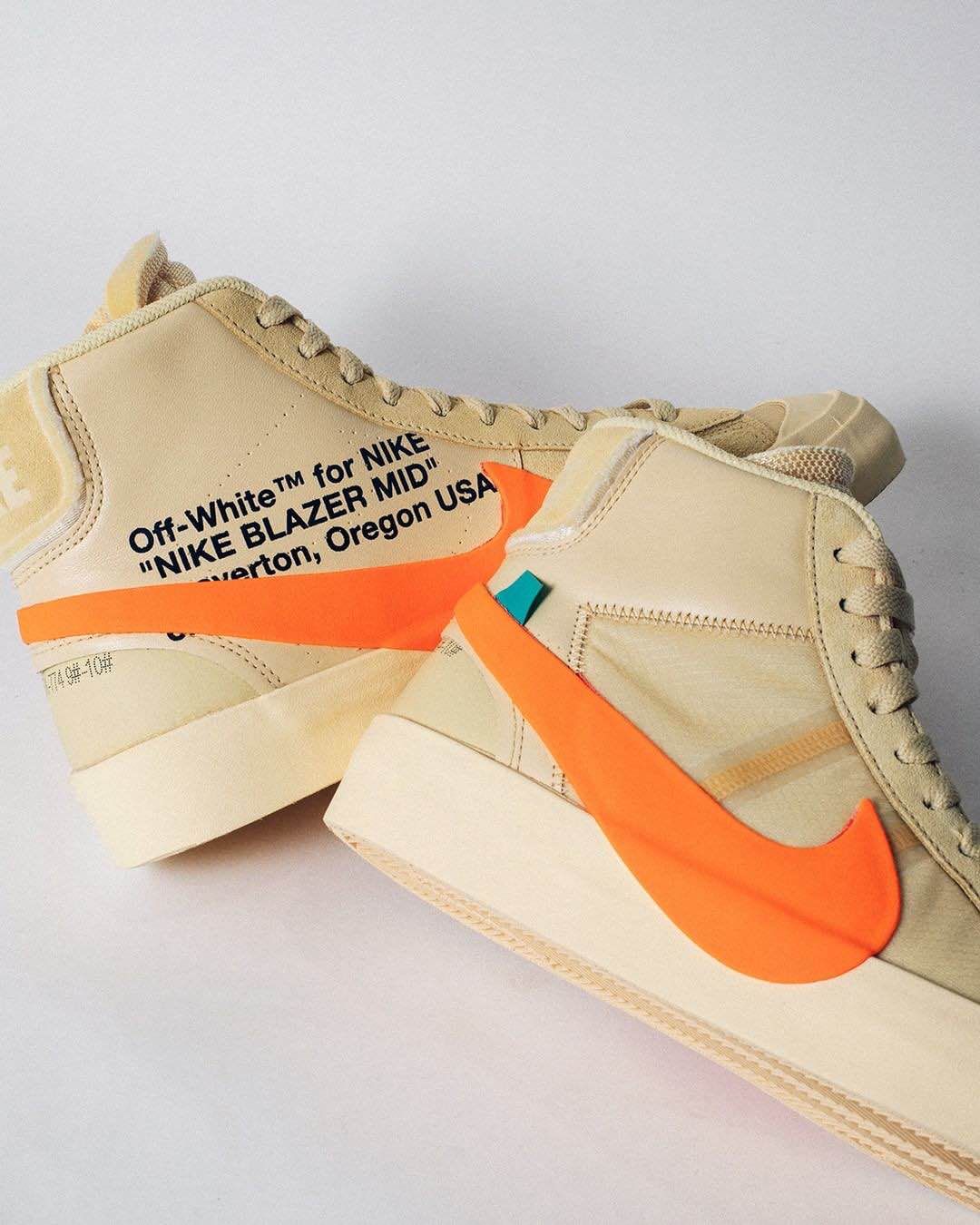
Nike x Off White
Nike x Off-White remains one of the most influential apparel collaborations of the last decade because it was built ona shared creative vision. Virgil Abloh approached Nike’s iconic footwear through deconstruction and storytelling, transforming familiar designs into cultural artifacts. Nike’s willingness to grant creative freedom resulted in a product that felt innovative yet unmistakably Nike. The collaboration didn’t just generate hype—it shifted how the industry thinks about design, authorship, and collaboration itself.
Rowing Blazers x Target
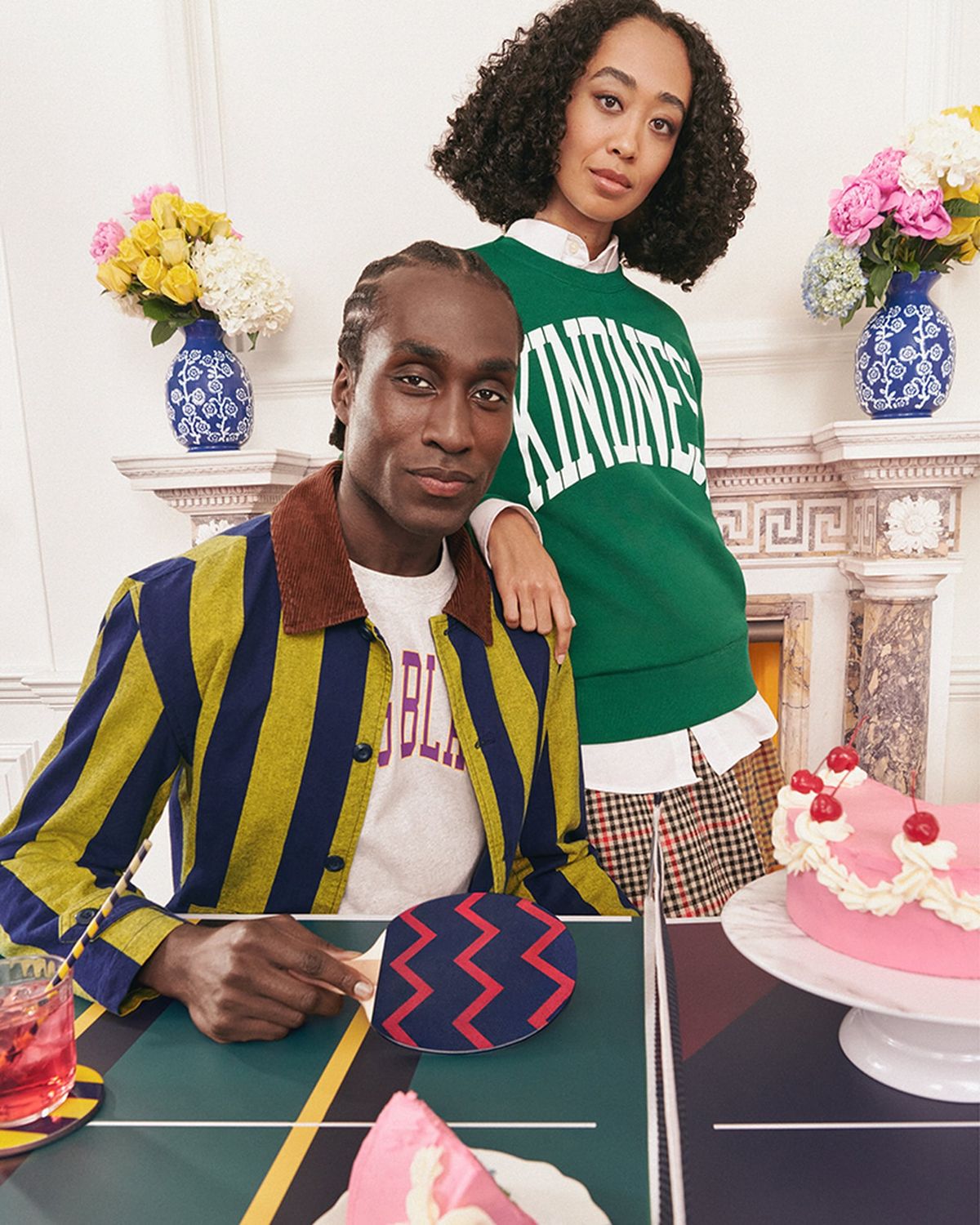
Target’s long-running designer collaborations further prove that successful partnerships aren’t limited to luxury or hype-driven streetwear. From Missoni and Lilly Pulitzer to more recent partnerships with contemporary designers, Target has consistently demonstrated how to bring high-design sensibility to a mass audience without eroding brand trust. What Target gets right is accessibility paired with clarity: consumers understand what they’re getting, why it’s special, and how it fits within Target’s value-driven ecosystem. By carefully selecting designers whose aesthetics translate well at scale and aligning production, pricing, and storytelling, Target turns collaboration into a reliable business strategy rather than a one-off moment.
Across these examples, the common thread is intention. Each collaboration respects the consumer, honors product quality, and reinforces—not replaces—each brand’s core identity.
When “Good” Turns Bad: Growth Without Guardrails
Adidas x Yeezy
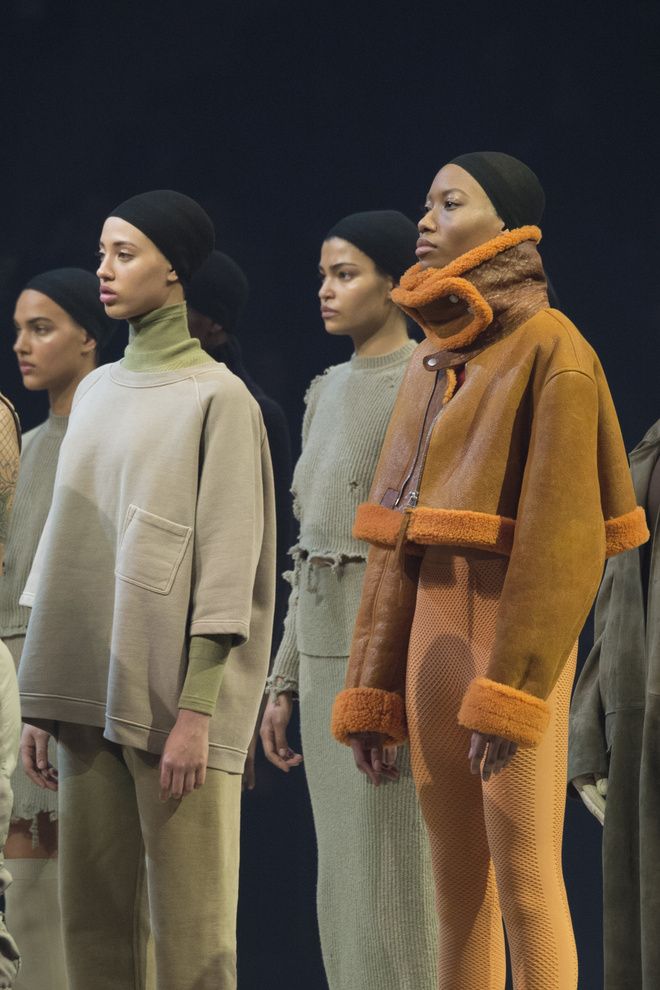
Not all collaborations fail outright. Some begin with enormous success but deteriorate when growth outpaces alignment. Adidas x Yeezy initially redefined sneaker culture, merging Kanye West’s cultural influence with Adidas’ global scale and performance expertise. Over time, however, the partnership became overly reliant on a single individual, creating brand vulnerability. As controversy mounted, the lack of clear separation between collaborator and corporate brand turned a creative success into a reputational and operational challenge. What once felt groundbreaking ultimately highlighted the risks of building a collaboration without long-term governance and contingency planning.
Ralph Lauren x Fortnite
When Collaborations Miss the Mark Entirely
Other collaborations struggle because they misunderstand the audience, platform, or purpose.
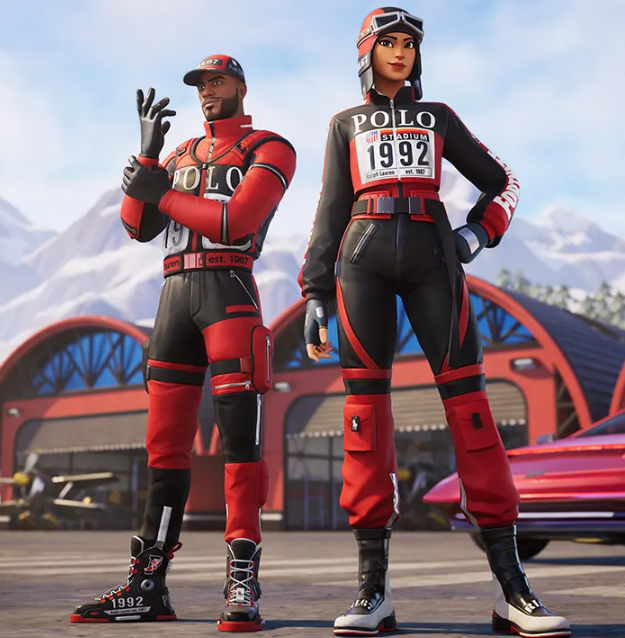
Ralph Lauren x Fortnite aimed to connect a heritage fashion brand with a younger, digitally native audience, but was criticized for feeling shallow. While the partnership generated awareness, it lacked a compelling narrative explaining why Ralph Lauren belonged in that gaming environment. Without deeper integration or storytelling, the collaboration came across as a novelty rather than a meaningful cultural crossover.
Nike x Tiffany
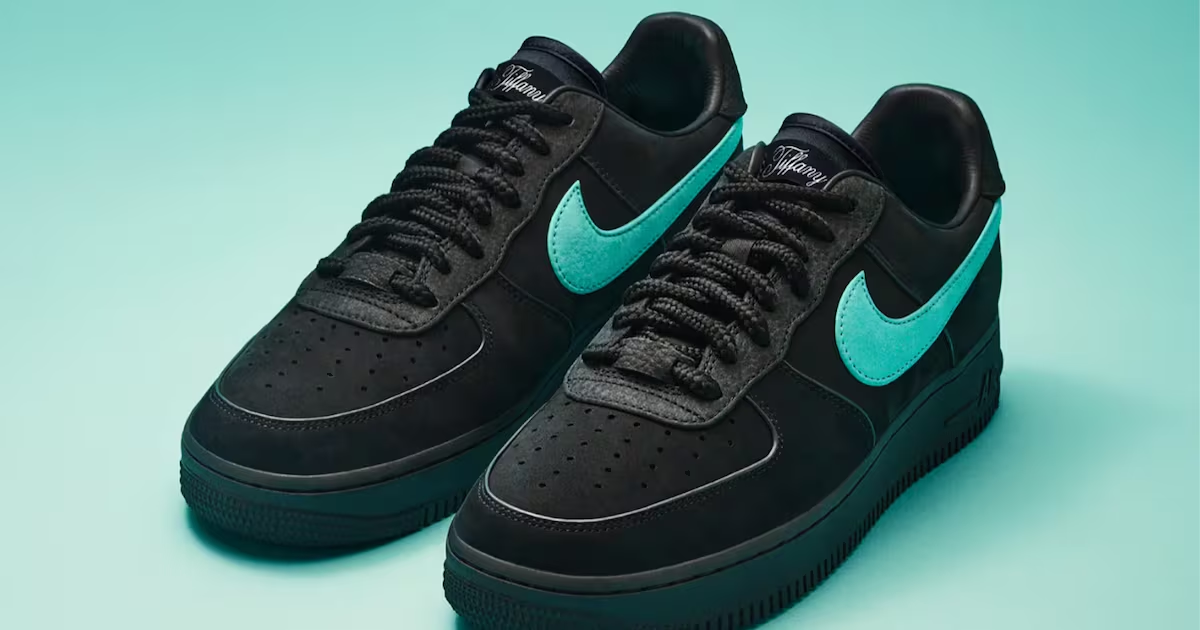
Nike x Tiffany, while visually striking and heavily anticipated, faced criticism for similar reasons. The collaboration leaned heavily on brand recognition and hype, but many consumers questioned the depth of the partnership. With two brands rooted in craftsmanship and legacy, there was an opportunity to explore materials, storytelling, or heritage in a more meaningful way. Instead, the collaboration felt surface-level to some audiences, highlighting how even powerful brand names aren’t enough without a clear creative or product-driven rationale.
The Takeaway: Collaboration Is a Discipline, not a Shortcut
 The most successful apparel collaborations are built on alignment, trust, and thoughtful execution. They are not rushed responses to trends or social buzz but carefully considered partnerships that add value for both brands and consumers. When collaboration is treated as a strategic discipline—rather than a shortcut to relevance—it can strengthen brand equity, expand audiences, and create lasting impact.
For apparel brands and manufacturers alike, the lesson is clear: collaboration works best when it’s intentional, product-first, and grounded in authenticity. When those elements are missing, even the most high-profile partnerships can quickly become cautionary tales.
Check out more conversations like this on our podcast Clothing Coulture. You can listen on Spotify, Apple Music, YouTube, and wherever you listen.
 About Stars Design Group: Founded by industry experts, Stars Design Group global fashion design and production house that helps clients bring their apparel to market. We consult, design, and facilitate production and delivery.
Understanding that the apparel industry is about evolution and not revolution, we continue to refine the way the industry does business. Embracing the latest 3D design and development software, we help to refine the design and approval process in a digital landscape, paving the way for rapid decisions and execution of programs while reducing mistakes, improving fit, minimizing returns, and increasing profit margins.
With a network of 67 factories in 14 countries worldwide, our relationships are generations deep. Being diverse in our manufacturing locations, we are nimble in an ever-evolving landscape and provide ethically manufactured apparel and accessories.