
“Clothes are not mere coverings; they are chapters in the book of being.”
Fashion and literature share a profound intimacy. Both are languages—one written in ink, the other in thread. A novel can drape its characters in velvet and meaning, while a designer can stitch entire worlds into a hemline. This installment of Bibliothèque Intérieur invites you to read fashion as text, to see garments as stories, and to understand how words and clothes have always been intertwined. 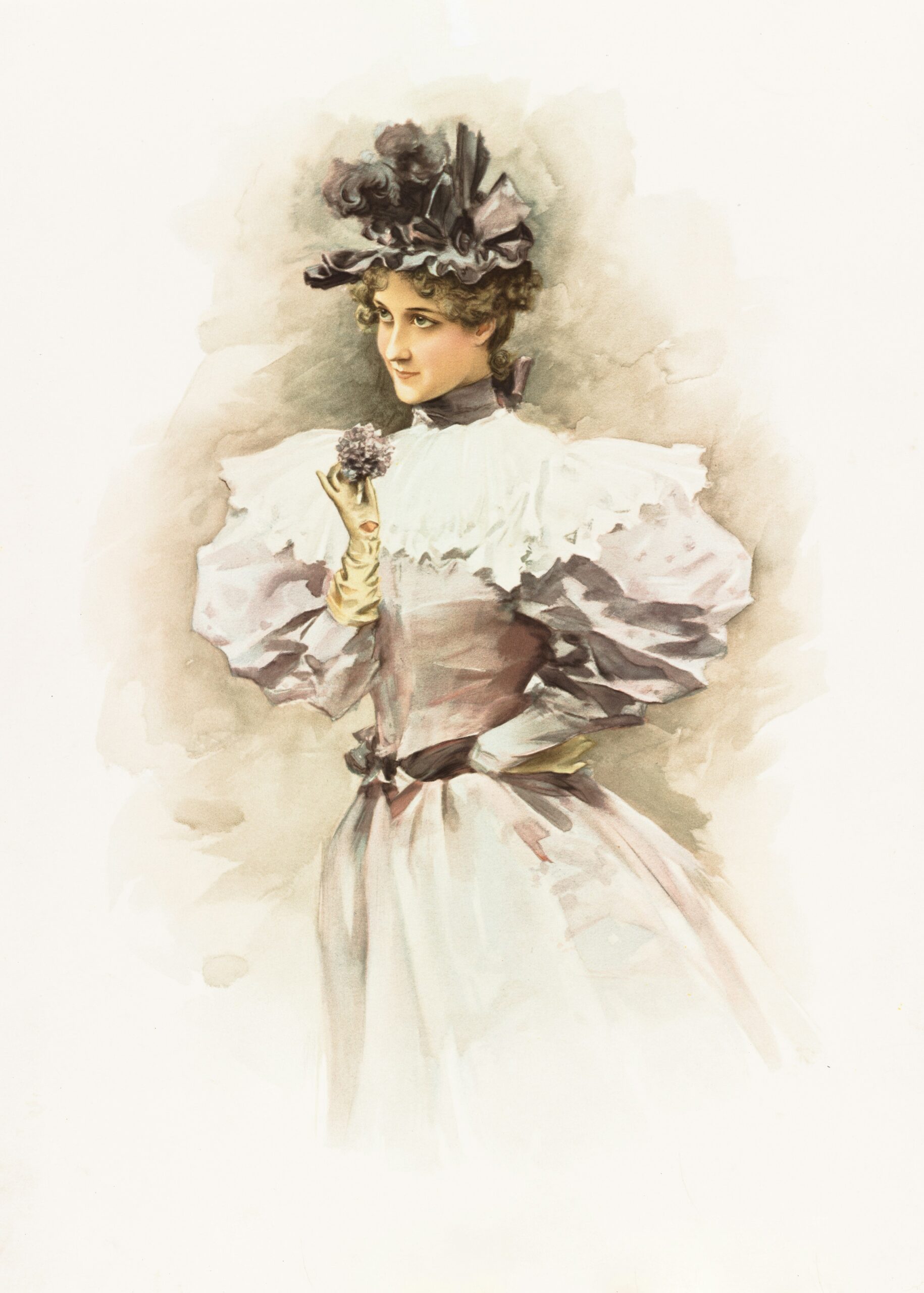
The Power of Clothing in Literature
In the pages of great novels, clothing is never incidental. It is a silent narrator, revealing truths that dialogue cannot. When Elizabeth Bennet enters a ballroom in Pride and Prejudice, her gown speaks of class and expectation before she utters a word. In The Great Gatsby, Daisy’s white dresses whisper of purity and illusion, while Gatsby’s pink suit becomes a metaphor for audacious hope—a costume for a dreamer who refuses to wake.
Clothing in literature is a code: it signals status, seduction, rebellion. It reminds us that fashion is never neutral—it is a sentence, a paragraph, a chapter in the story of identity.
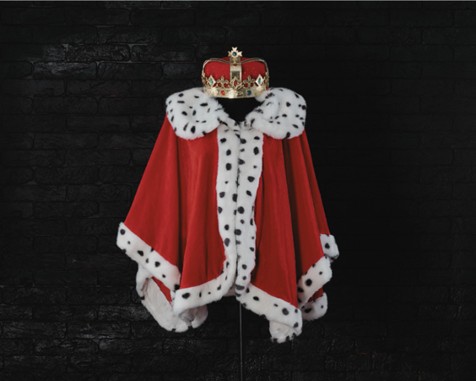 The Emperor’s New Clothes: A Moral Thread
Hans Christian Andersen’s fable remains a timeless critique of vanity and illusion. The emperor’s invisible garments expose a truth: without clothing, even the grandeur of royalty collapses. Fashion, then, is both armor and artifice—a tool that can elevate or betray. In today’s world of fast trends and digital facades, Andersen’s tale feels eerily relevant: what do we wear for ourselves, and what do we wear for the gaze of others? When does fashion become liberation, and when does it become a cage?
Runway Moments Inspired by Literature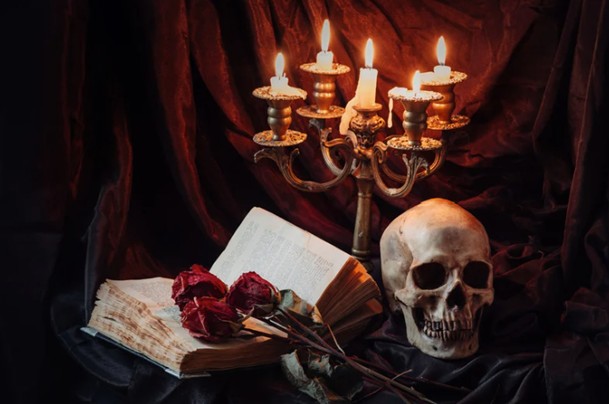
Designers have long mined the pages of books for inspiration:
• Alexander McQueen’s Fall 2006 collection, echoing the gothic drama of Edgar Allan Poe, with garments that felt like haunted verses.
• Prada’s 2018 show, infused with the surrealism of Kafka and the tension of dystopian narratives—a wardrobe for characters who live between reality and dream.
• Dior’s Spring 2017 haute couture, where Maria Grazia Chiuri embroidered tarot symbols and literary quotes into gowns, turning garments into living manuscripts.
These moments remind us that fashion is not only visual—it is intellectual, poetic, and deeply narrative.
 From Stage to Street: Theatrical Costumes and Everyday Fashion
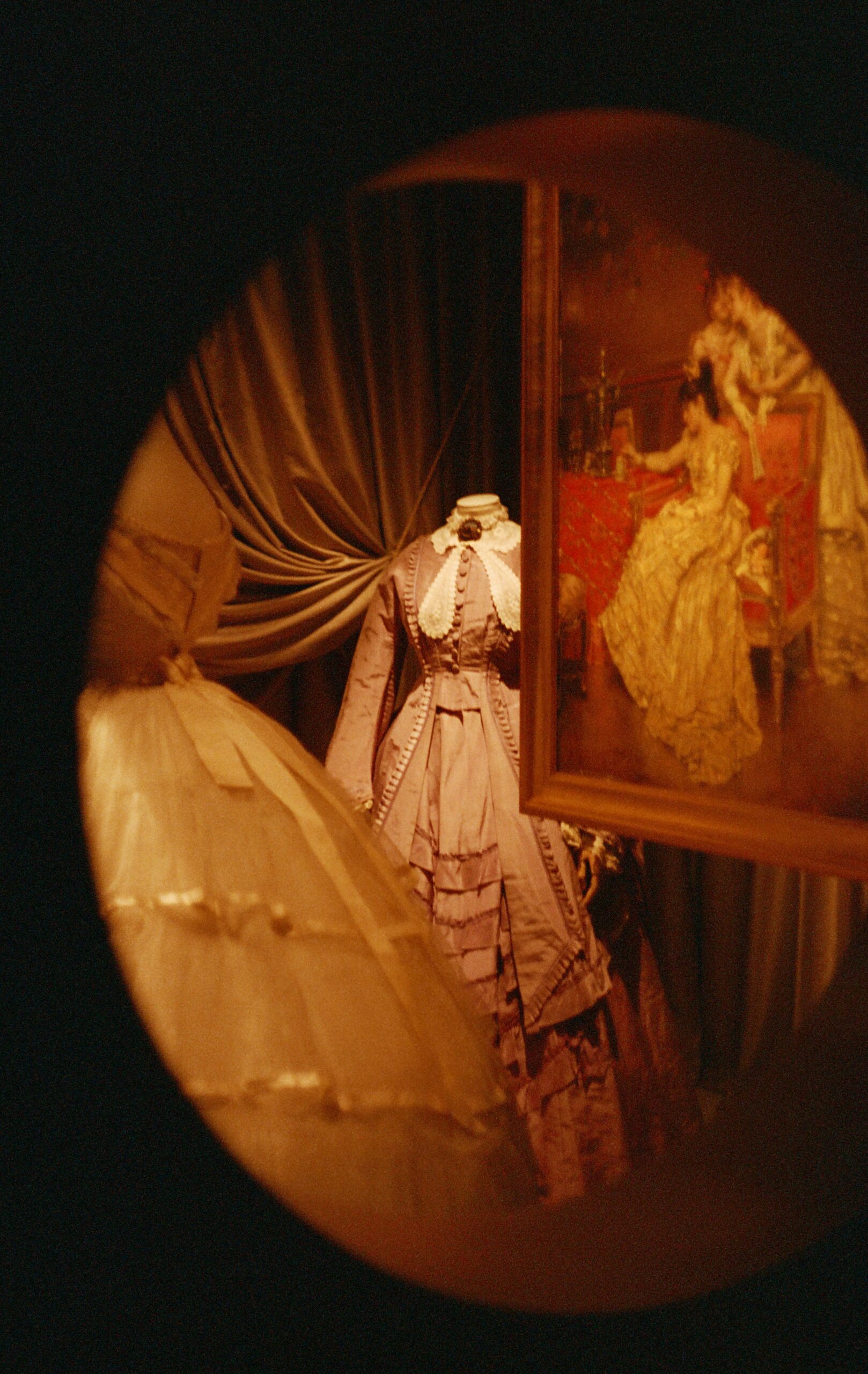
Theater costumes, born from scripts, often migrate into mainstream style. Think of Shakespearean ruffs reimagined as high collars, or Victorian corsetry reborn in contemporary silhouettes. The dialogue between stage and street is ongoing: literature births theater, theater births costume, and costume births trends. Each layer adds meaning, making the clothes we wear part of a centuries-old conversation.
Closing Reflection: Why It Matters
Fashion as literature is not a metaphor—it is a reality. Every garment tells a story, whether whispered in the folds of a gown or shouted in the cut of a jacket. To read fashion is to read humanity: our ambitions, our illusions, our truths. Clothing is the first language we speak each day, before words leave our lips. It shapes perception, signals belonging, and offers protection—not just from the elements, but from invisibility.
In an industry often dismissed as frivolous, we hold the power to craft narratives that matter. We do not simply make clothes; we make meaning. We give people the ability to author their own stories—one outfit at a time, and that is no small thing.